
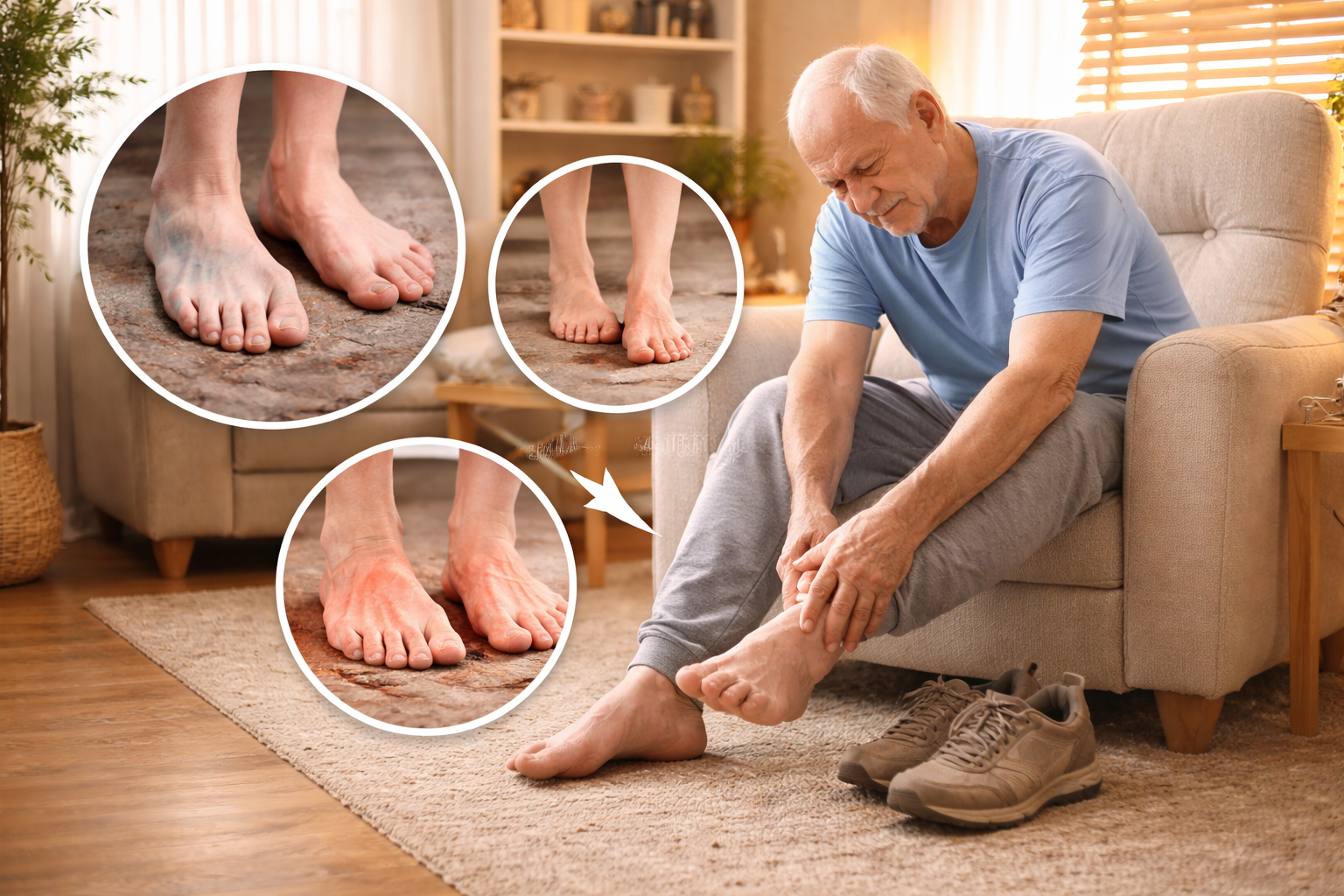
 As we get older, staying active can become more challenging. Pain, stiffness, or fear of falling may lead many people to move less over time. While this may feel like the safer choice, reduced activity can actually cause more problems—especially in the feet.
Your feet play a major role in keeping you steady, mobile, and independent. When movement decreases, changes can happen slowly and often without warning.
Blood Flow to the Feet Slows Down
Walking and gentle movement help blood circulate to the lower legs and feet. When activity is limited, circulation can decrease.
Poor circulation may lead to:
- Cold or swollen feet
- Slower healing of cuts or sores
- Increased risk of skin problems
For individuals with diabetes or circulation issues, this can increase the risk of wounds and infections.
Muscles Become Weaker Over Time
The feet and ankles contain many small muscles that help with balance and support. Without regular movement, these muscles can weaken.
Weakened muscles may cause:
- Feeling unsteady while walking
- Difficulty standing for long periods
- Increased risk of falls
Even light daily activity helps keep these muscles strong.
Stiff Joints Make Walking Harder
Movement keeps joints flexible. When activity decreases, the joints in the feet and ankles can become stiff.
This stiffness can lead to:
- Trouble lifting the foot while walking
- Shorter steps
- Discomfort when getting up after sitting
Stiff joints can make everyday tasks more tiring and uncomfortable.
Foot Pain Can Worsen With Too Much Rest
Many people rest more because of foot pain, hoping it will improve. However, too little movement can actually make pain worse.
Conditions such as heel pain or arthritis often feel stiffer and more painful after long periods of sitting or resting. Gentle, guided movement is often part of healing.
Skin Problems and Pressure Areas Can Develop
When walking patterns change, pressure can build up in certain areas of the foot.
This may cause:
- Calluses or corns
- Skin irritation
- Sores that heal slowly
For those with reduced feeling in their feet, these changes may not be noticed right away.
Balance May Decline
Good balance depends on strong muscles, flexible joints, and proper sensation in the feet.
When activity decreases:
- Reaction time slows
- Coordination becomes less reliable
- The risk of falling increases
Maintaining movement helps protect balance and confidence.
Staying Active Does Not Mean Strenuous Exercise
Staying active doesn’t require intense workouts. Simple activities such as walking short distances, gentle stretching, and balance exercises can make a big difference.
The key is safe, regular movement that feels comfortable.
How a Podiatrist Can Help
A podiatrist can help older adults stay active by:
- Treating foot pain and stiffness
- Checking circulation and nerve health
- Recommending proper footwear or braces
- Offering non-invasive treatments to support healing
- Creating a plan that supports safe movement
The goal is to help you move with less pain and more confidence.
Keeping Your Feet Moving Helps You Stay Independent
Staying active helps protect your feet, your balance, and your independence. Small steps each day can help prevent bigger problems in the future.
If foot pain or stiffness is making it hard to stay active, help is available.
Because healthy feet help you keep doing the things you enjoy.
Stay connected with us for expert foot and ankle care!
📍 Serving Tampa, FL and North Carolina
📞 Call us today: 813-344-1932
🌐 Visit us online: cfasdoc.com
Follow us on social media for updates, tips, and more:
📌 Facebook: Comprehensive Foot & Ankle Specialists
📌 Instagram: instagram.com/cfasdoc
📌 TikTok: tiktok.com/@cfasdoc
Because every journey begins with a healthy first step!